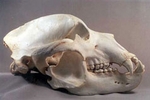
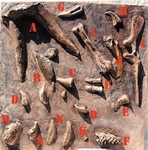
Bison antiquus skull. Original Page Museum specimen, California.
* Museum quality replica.
* Size: 25 inch x 33 inch x 12 inch (63.5cm x 84cm x 30cm)
* La Brea Tarpits Color
* Cast in durable polyurethane resin
* Made in USA
Bison antiquus, sometimes called the "ancient bison", was the most common large herbivore of the North American continent for over 10,000 years, and is a direct ancestor of the living American bison.
When will it be shipped?
This product is in stock and will ship the same business day.
How long will it take to be delivered?
Click here to get estimated delivery date.
I have a question about this product. Can I talk to a real person?
Our experts are standing by to answer your questions 9 am to 5pm Pacific Time.
You can email us or call us
at 360-835-2228.
30-Day Return & Exchange Policy
We guarantee all our high quality products. If for any reason you are not 100% satisfied with your purchase, simply return the item for an exchange or refund within 30 days of purchase. Customer Support: 360-835-2228.
Return address: Dinosaur Corporation
631 N. Stephanie St.
Suite #431
Henderson, NV 89014